Landfall Scotland
Moving from the US to Scotland
Scotland is part of the UK, but much of what shapes your move works differently here: buying a home, property tax, income tax, schools, even wills. This guide is written from Edinburgh, for Scotland.
What's different in Scotland
If you've read a general UK moving guide, these are the parts that work differently here.
"Offers over" and closing dates
Many homes are marketed at "offers over" a set price. When several buyers are interested, there's a closing date for sealed bids, and your solicitor submits the offer.
The seller provides the Home Report
Most homes come with a Home Report (a survey, valuation and energy report) before you view. Lenders usually work from it.
LBTT, not Stamp Duty
You pay Land and Buildings Transaction Tax to Revenue Scotland. Still own your US home when you buy? The Additional Dwelling Supplement can apply.
Six Scottish bands on earnings
Salary, self-employment and rental income are taxed at Scottish rates. Savings and dividends stay on UK-wide rates.
Open-ended tenancies
Private tenancies have no fixed six- or twelve-month term. Good for flexibility; just plan your notice periods.
Highers, not A-levels
Curriculum for Excellence, then Nationals, Highers and Advanced Highers. Places go mainly by catchment area, and most Scottish degrees take four years.
Scots law and "confirmation"
Estates go through confirmation, not probate, and a spouse and children have legal rights to part of an estate. A US will may need a Scottish companion.
NHS Scotland
Register with a local GP practice once you have an address. Prescriptions are free in Scotland.
Where to live
Area guides covering property, schools, social life, travel and community, each with a printable brochure.
 EdinburghThe capital: finance, universities and festivals. A competitive rental market.Read the area guide →
 GlasgowScotland’s largest city, with a big arts, music and tech scene.Read the area guide →
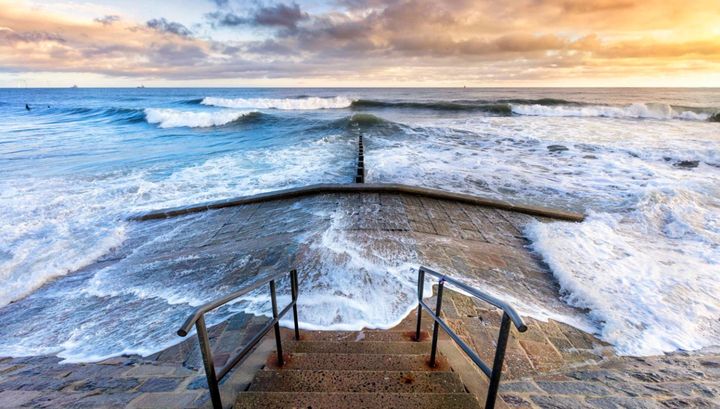 AberdeenThe center of the North Sea energy industry and its transition.Read the area guide →
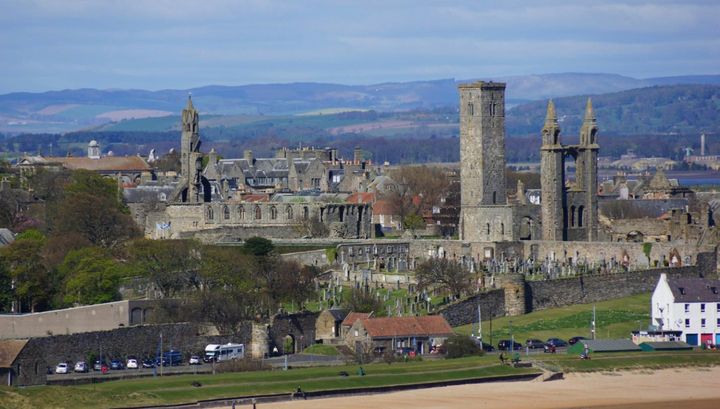 St Andrews & FifeA university town with a long tradition of American students.Read the area guide →
 Highlands & IslandsRemote working and outdoor life, with longer distances to services.Read the area guide →